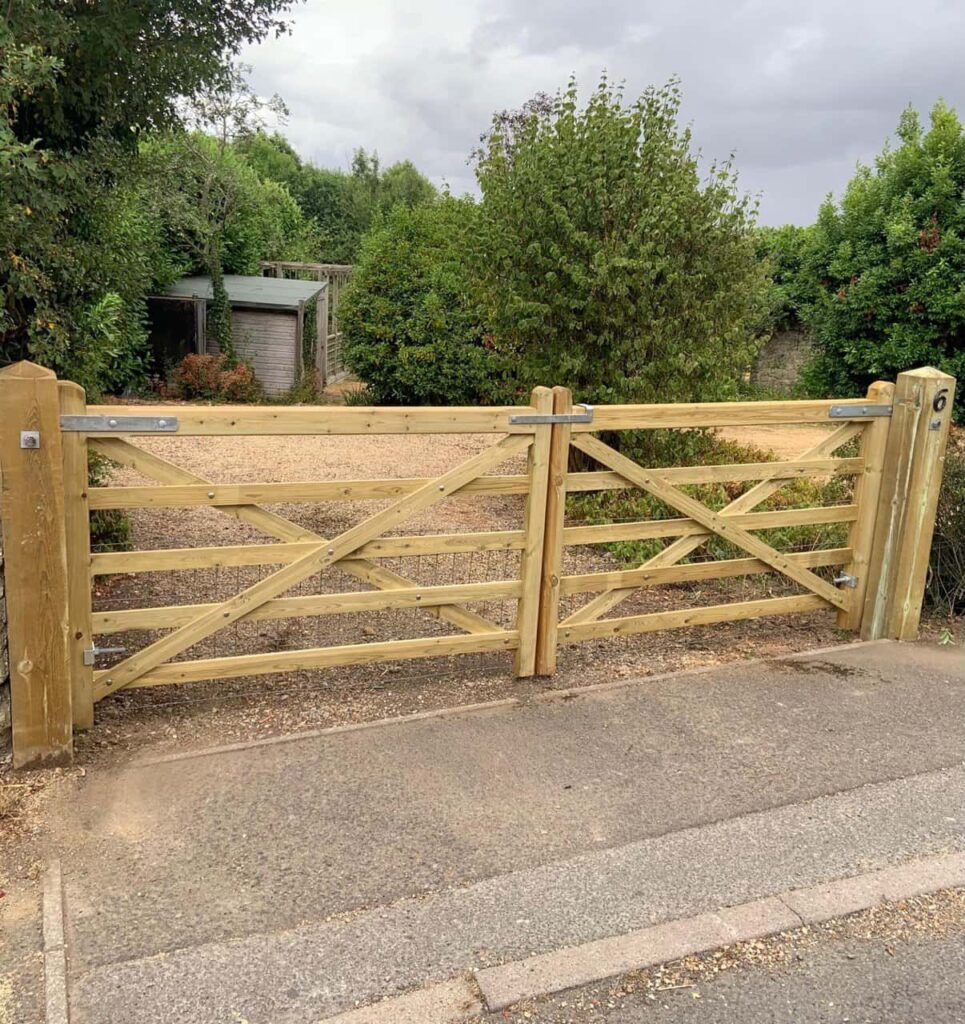
Why Does the Quality of Fence Installation Affect Its Long-Term Performance?
A garden fence must do more than create an attractive boundary. It needs to remain upright, stable and dependable while coping with wind, rain, changing ground conditions and everyday wear. The quality of the initial installation has a major influence on how successfully it performs these tasks.
For property owners in Rochester, Kent, professional fence installation can help prevent premature movement, leaning panels and repeated maintenance problems. Choosing suitable materials matters, but those materials must also be supported, aligned and secured correctly.
How Professional Installation Supports a Longer-Lasting Fence
A reliable fence functions as a complete system. Posts transfer wind loads into the ground, rails or panels span the spaces between them, and fixings hold each component securely in position. Weakness in any part of this system can affect the entire boundary.
Careful installation begins with assessing the site. Ground conditions, changes in level, exposure to wind and the intended fence height should all influence how the structure is planned.
Correct Post Installation Provides Essential Support
Fence posts form the structural foundation of the boundary. If they are placed too shallowly, inadequately supported or unevenly spaced, the fence may begin to lean or move.
Each post should be positioned at an appropriate depth and set securely for the surrounding ground conditions. Consistent spacing is equally important because panels and rails rely on correctly positioned posts for even support.
A poorly installed post may appear stable at first. However, repeated wind loading and ground movement can gradually loosen it, placing additional strain on neighbouring sections.
Accurate Alignment Prevents Uneven Stress
A fence should follow a controlled and carefully measured line. Posts that are out of alignment can force panels, rails and gravel boards into unsuitable positions.
Components fitted under tension may twist, split or pull away from their fixings over time. Uneven installation can also leave gaps beneath the fence or create an irregular top line that affects its appearance.
Professional installers account for slopes and changes in ground level rather than attempting to force standard sections into unsuitable spaces.
Suitable Fixings Keep Components Secure
The performance of a fence depends partly on the fixings connecting its individual components. Incorrectly positioned, insufficient or unsuitable fixings can allow panels and rails to work loose.
Wind places repeated pressure on a fence, particularly where solid panels provide a large surface area. Secure connections help distribute this pressure across the structure instead of concentrating it around individual joints.
Careful fixing also reduces unnecessary damage to timber. Splits created during installation can allow moisture to enter and may weaken the affected component.
Ground Conditions Must Be Considered
Not every garden provides the same foundation for fencing. Soft soil, compacted ground, persistent moisture and changes in level can each affect post stability.
An installation method that works well in one part of a garden may require adjustment elsewhere along the same boundary. A professional assessment helps identify these differences before work begins.
This is particularly important for long fences, where a small weakness in the foundations can eventually lead to movement across several connected sections.
Appropriate Materials Improve Overall Performance
Good installation includes choosing components that suit the position and purpose of the fence. A decorative front boundary, a substantial privacy fence and a structure in an exposed location may each require a different design.
Posts, panels, rails, boards and fixings must work together effectively. Using a strong panel will not compensate for inadequate posts, while substantial posts cannot prevent failure if the connecting components are unsuitable.
A professional approach considers the entire structure rather than treating each element separately.
Drainage and Moisture Exposure Need Attention
Timber fencing is routinely exposed to moisture, but thoughtful installation can reduce unnecessary water retention. Components should not be positioned in ways that trap water or leave untreated surfaces particularly vulnerable.
Gravel boards can help separate timber panels from damp ground, while correctly installed posts and rails support drainage around the fence. These details help reduce the risk of premature deterioration at the base of the structure.
Regular maintenance remains important, but a well-installed fence provides a much stronger starting point.
Gates Require Particularly Careful Installation
A gate places different demands on a fence because it moves regularly and concentrates weight on its supporting post. If the posts are not sufficiently stable or the hinges are poorly positioned, the gate may sag, drag or stop closing properly.
Accurate alignment and suitable support allow the gate to operate without placing avoidable strain on adjoining fence sections. This is especially important where a gate receives frequent daily use.
Why Installation Faults May Not Appear Immediately
Some installation problems become noticeable quickly, but others develop gradually. A newly fitted fence may initially look straight even though its posts are too shallow or its fixings are under excessive strain.
Warning signs can emerge after repeated wet weather, strong winds or seasonal ground movement. These may include:
- posts beginning to lean or rock
- panels rattling in windy conditions
- rails separating from posts
- gates becoming difficult to open
- gaps developing between sections
- timber splitting around fixings
Early assessment can establish whether the issue is confined to one component or reflects a wider installation weakness.
Conclusion
The long-term performance of a fence depends on much more than its appearance when first installed. Secure posts, accurate alignment, suitable fixings, appropriate materials and careful adaptation to the site all help create a stable boundary.
Professional installation reduces avoidable strain across the structure and helps the fence cope more effectively with everyday exposure. If you are planning a new fence in Rochester, Kent, Fast Fix Fencing Rochester can assess your garden and install a boundary suited to its conditions and intended use. Contact the team to discuss a practical fencing solution for your property.
Call us on: 01634 568 991
Click here to find out more about Fast Fix Fencing Rochester
Click here to complete our contact form and see how we can help with your fencing needs.